Luxembourg Palace

Definition and stakes

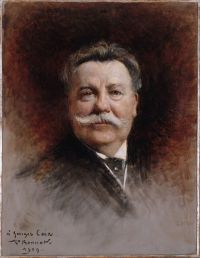
Mary King Waddington,  My First Years as a Frenchwoman…

“ The Luxembourg Palace has always been associated with the history of France. During the Revolution it was a prison, and many of the curious scenes one reads of at that period took place in those old walls—the grandes dames so careful of their dress and their manners, the grands seigneurs so brave and gallant, striving in every way by their witty conversation and their music (for they sang and played in the prisons all through that awful time) to distract the women and make them forget the terrible doom that was hanging over them. ”

Source: Gutenberg

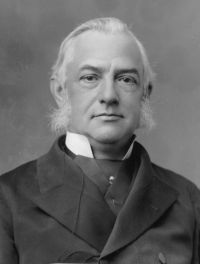
D. W. Bartlett,  Paris: With Pen and Pencil

“ When France was governed by Louis Phillippe, the Palace Luxembourg was occupied by the Chamber of Peers, and it is now occupied by the Senate. It is a fine old building, and the impression it makes upon the stranger is an agreeable one. There is nothing in its history of particular interest, though its architecture is ancient.
I was better pleased with the Luxembourg gardens than with the palace. They are more beautiful than the Tuileries gardens and are much more democratic. Trees, plants, and flowers seemed to me to abound in them to a greater extent than in any other garden in Paris.
”
Source: Gutenberg

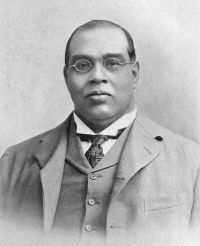
Portrait of Thomas Okey Thomas Okey,  Paris and Its Story

“ South of these is the Luxembourg Palace, whose charming Renaissance gardens, unhappily, owing to the erection of the Observatory in 1672, reduced by more than one-third of their former extent, are the delight of the Parisians of the south bank of the Seine. The old Orangery, restored and enlarged, is used as a public museum of contemporary French art, chiefly painting and sculpture. Here are exhibited the works of modern artists which have been deemed worthy of acquisition by the State. ”
Source: Gutenberg

Get perspective with Kwize: daily news enlightened by great literature