Marañón River

Definition and stakes

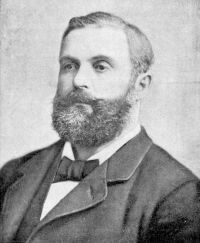
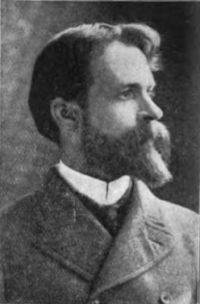
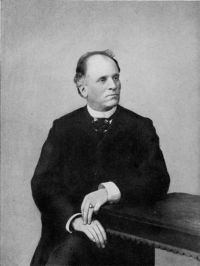
Portrait of George Earl Church George Earl Church,  1911 Encyclopædia Britannica (1911)

“ The river Marañon rises about 100 m. to the north-east of Lima. It flows through a deeply-eroded Andean valley in a north-west direction, along the eastern base of the Cordillera of the Andes, as far as 5° 36′ S. lat.; then it makes a great bend to the north-east, and with irresistible power cuts through the inland Andes, until at the Pongo de Manseriche [2] it victoriously breaks away from the mountains to flow onwards through the plains under the name of the Amazon. Barred by reefs, and full of rapids and impetuous currents, it cannot become a commercial avenue. ”
Source: Wikisource

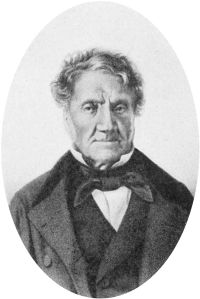
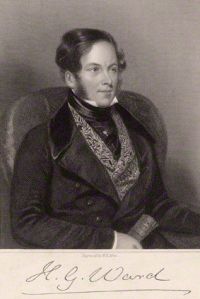
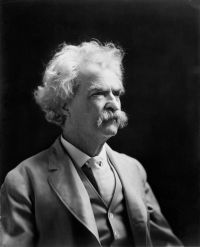
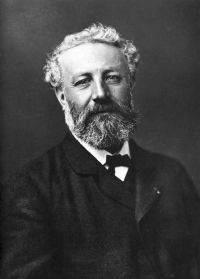
Portrait of Jules Verne Jules Verne,  Eight Hundred Leagues on the Amazon

“ At its departure from Lake Lauricocha the youthful river starts toward the northeast for a distance of five hundred and sixty miles, and does not strike to the west until it has received an important tributary—the Panta. It is called the Marañon in its journey through Colombia and Peru up to the Brazilian frontier—or, rather, the Maranhao, for Marañon is only the French rendering of the Portuguese name. ”
Source: Gutenberg

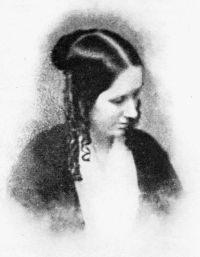
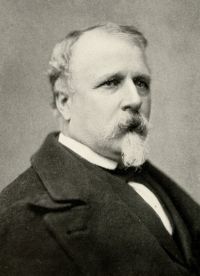
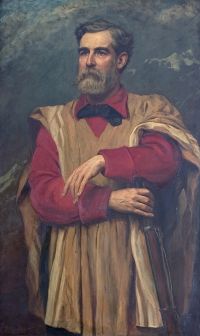
Portrait of Annie S. Peck Annie S. Peck,  Industrial and commercial South America (1922)

“ Above 6° S. Lat. the Marañón turns sharply east, flowing with northerly and southerly deviations, receiving in its course many tributaries before and after breaking through the East Cordillera of Peru at the Pongo de Manseriche. Here the waters of the previously broad river pass through an extraordinary chasm 3 miles long and 100 feet wide. The walls are not 2000 feet high as often stated; in one or two places they may rise 40 feet perpendicularly, but usually they are wooded slopes, rising in a single locality perhaps 2000 feet. ”
Source: Gutenberg

Get perspective with Kwize: daily news enlightened by great literature