Middle High German

Definition and stakes

Friedrich Kluge,  An Etymological Dictionary of the German Language (1891)

“ Compare Middle High German ze diute, ‘distinct, evident,’ and ‘in German’ (diute, dative singular of diuti, tiute, feminine, ‘exposition, explanation’) ; note too Anglo-Saxon geþeóde, ‘language’ (as the main characteristic of the nation) .
deutsch, adjective, ‘German,’ from the equivalent Middle High German diutsch, tiutsch; the initial d of the Modern High German and Middle High German words is Middle German, the earlier form, teutsch (Middle High German tiutsch) , is Upper German, and was, especially by the UpGer. writers, constantly used till the end of the last century.
”
Source: Wikisource

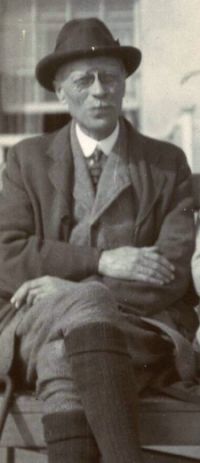
Portrait of John George Robertson John George Robertson,  1911 Encyclopædia Britannica (1911)

“ Such are the decadent aspects of the once rich literature of the Middle High German period in the 14th and 15th centuries. Turning now to the more positive side of the literary movement, we have to note a revival of a popular lyric poetry—the Volkslied—which made the futility and artificiality of the Meistergesang more apparent. Never before or since has Germany been able to point to such a rich harvest of popular poetry as is to be seen in the Volkslieder of these two centuries. ”
Source: Wikisource

Get perspective with Kwize: daily news enlightened by great literature