Norse language

Definition and stakes

George Webbe Dasent,  Popular Tales from the Norse — Introduction… (1912)

“ From a variety of circumstances, but two before all the rest—the one their settlement in Iceland, which preserved their language and its literary treasures incorrupt; the other their late conversion to Christianity—their cosmogony and mythology stands before us in full flower, and we have not, as elsewhere, to pick up and piece together the wretched fragments of a faith, the articles of which its own priests had forgotten to commit to writing, and which those of another creed had dashed to pieces and destroyed, wherever their zealous hands could reach. ”
Source: Wikisource

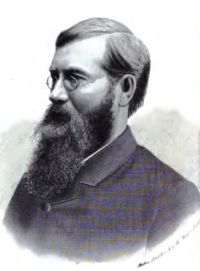
Portrait of Rasmus Björn Anderson Rasmus Björn Anderson,  Norse mythology; or, The religion of our forefathers…

“ The Norse mythology is related to the Greek mythology to the same extent that the Norse language is related to the Greek language, and no more; and comparative mythology, when the scholar wields the pen, is as interesting as comparative philology.
The Greeks have their chaos, the all-embracing space, the Norsemen have Ginungagap, the yawning abyss between Niflheim (the nebulous world) and Muspelheim (the world of fire) . The Greeks have their titans, corresponding in many respects to the Norse giants. The Greeks tell of the Melian nymphs; the Norsemen of the elves, etc.
”
Source: Gutenberg

Get perspective with Kwize: daily news enlightened by great literature