Old Comedy

Definition and stakes

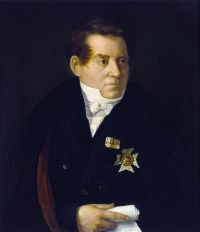
Portrait of August Wilhelm von Schlegel August Wilhelm von Schlegel,  Lectures on Dramatic Art and Literature

“ The idea of the Old Comedy is a fantastic illusion, a pleasant dream, which at last, with the exception of the general effect, all ends in nothing. The New Comedy, on the other hand, is earnest in its form. It rejects every thing of a contradictory nature, which might have the effect of destroying the impressions of reality. It endeavours after strict coherence, and has, in common with Tragedy, a formal complication and dénouement of plot. ”
Source: Gutenberg

Portrait of August Wilhelm von Schlegel August Wilhelm von Schlegel,  Lectures on Dramatic Art and Literature

“ Such were the comic and tragic ingredients of the New Comedy, or Comedy in general. There is yet a third, however, which in itself is neither comic nor tragic, in short, not even poetic. I allude to its portrait-like truthfulness. The ideal and caricature, both in the plastic arts and in dramatic poetry, lay claim to no other truth than that which lies in their significance: their individual beings even are not intended to appear real. Tragedy moves in an ideal, and the Old Comedy in a fanciful or fantastical world. ”
Source: Gutenberg

Portrait of Samuel Taylor Coleridge Samuel Taylor Coleridge,  Shakespeare, Ben Jonson, Beaumont and Fletcher

“ The old tragedy moved in an ideal world,—the old comedy in a fantastic world. As the entertainment, or new comedy, restrained the creative activity both of the fancy and the imagination, it indemnified the understanding in appealing to the judgment for the probability of the scenes represented. The ancients themselves acknowledged the new comedy as an exact copy of real life. The grammarian, Aristophanes, somewhat affectedly exclaimed:—“O Life and Menander! which of you two imitated the other?” In short the form of this species of drama was poetry, the stuff or matter was prose. ”
Source: Gutenberg

Get perspective with Kwize: daily news enlightened by great literature