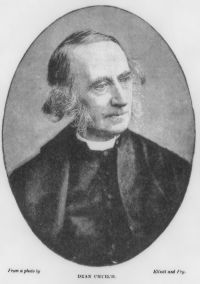
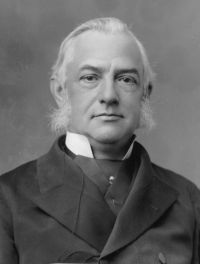
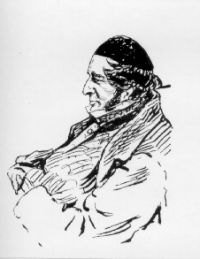
The Oxford Movement, which arose in the 1830s within the Church of England, aimed to restore pre-Reformation liturgical customs and emphasize Anglicanism’s connection to the Catholic Church. Taking root at Oxford, it gave rise to Tractarianism through works such as Tracts for the Times, promoting a revival of doctrine and ceremonial practice. Writers such as R.W.
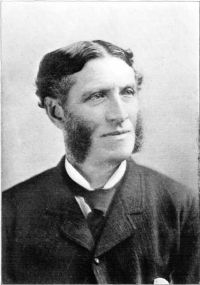
Church underscored its profound influence on the intellectual culture of Oxford, while Matthew Arnold viewed it as a response to liberalism. Gilbert Keith Chesterton acknowledged its logical underpinnings, even amid disputes. The movement transformed Anglican worship and social involvement, leaving a lasting imprint on the liturgical and theological development of Anglo-Catholicism.
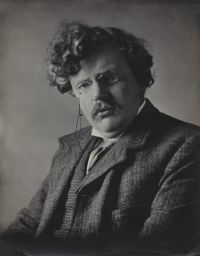 Gilbert Keith Chesterton,
The Victorian Age in Literature
(1913)
Gilbert Keith Chesterton,
The Victorian Age in Literature
(1913)