Palace of Fontainebleau

Definition and stakes

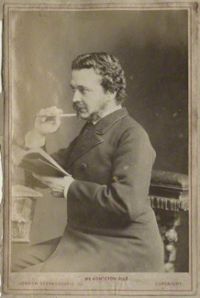
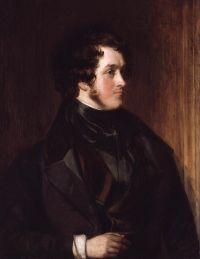
Portrait of William Harrison Ainsworth William Harrison Ainsworth The Constable De Bourbon

François I. had not as yet completed his grand designs, but he had done enough to make the Palace of Fontainebleau one of the noblest structures in France. Its splendid apartments were full of objects of art, paintings, and sculpture brought from Italy, and its glorious gallery, just completed, was richly decorated. The old walls and moat of the mediaeval chateau had given place to delicious gardens, with broad terraces, parterres, alleys, fountains, lakes, bosquets, and all that could contribute to enjoyment.
Source: Gutenberg

Various Travel Stories Retold from St. Nicholas

It may have been our mood, it may have been the tranquil evening light, it may have been reality 107 that Fontainebleau was more friendly, more alive, more a place for living men and women to inhabit than any other palace we have seen. It was hard to imagine Versailles as having ever been a home for anybody. At Fontainebleau I felt that we were intruding—that Marie Antoinette, Marie Louise, or Eugénie might enter at any moment and find us there.
Source: Gutenberg

Freiherr von Karl Ludwig Pöllnitz The Memoirs of Charles-Lewis, Baron de Pollnitz…

This Royal Palace is accompanied with a fine Park, which, tho’ not near so much adorned as the Park of Versailles, has remarkable Beauties, not to be met with in that. The great Canal is superb, and, generally speaking, the Palace of Fontainebleau, with all that environs it, has much more of the Air of a Royal Palace, than Versailles and Marly. The Village or Town of Fontainebleau, for I know not which to call it, is very well built. Most of the Lords have great Houses here, where they put their Equipages and Domesticks
Source: Gutenberg

Get perspective with Kwize: daily news enlightened by great literature