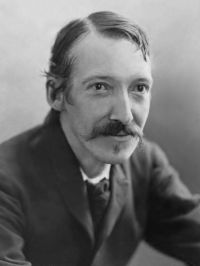
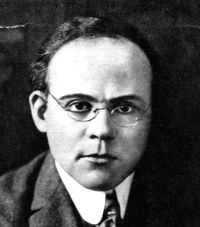
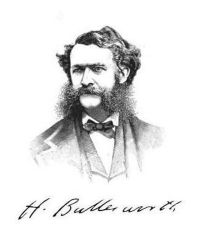
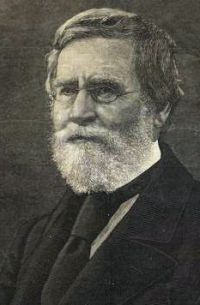
Fontainebleau, a historic French palace and forest, has long captivated writers with its blend of royal grandeur and natural wildness. From Anatole France’s critique of its rustic opulence to Robert Louis Stevenson’s celebration of its untamed charm, authors have framed it as both a relic of power and a sanctuary for reflection.
While some, like Various, contrasted its lived-in warmth with the sterile magnificence of Versailles, others, such as Mary Platt Parmele, connected it to pivotal historical moments, like Napoleon’s final days. These varied perspectives underscore Fontainebleau’s enduring role as a symbol of France’s complex interplay between nature, history, and human aspiration.
 Anatole France,
The Queen Pedauque
Anatole France,
The Queen Pedauque