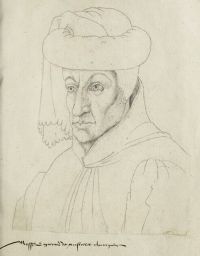
Philip the Good of Burgundy

Definition and stakes

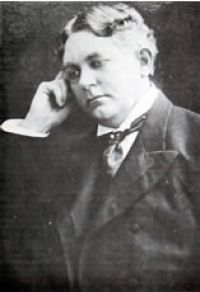
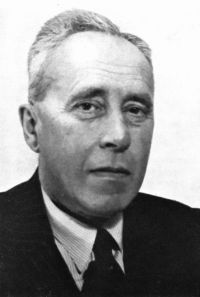
Portrait of Johan Huizinga Johan Huizinga The Waning of the Middle Ages (1924)

After the close of the Middle Ages the mortal sins of pride, anger and covetousness have never again shown the unabashed insolence with which they manifested themselves in the life of preceding centuries. The whole history of the house of Burgundy is like an epic of overweening and heroic pride, which takes the form of bravura and ambition with Philippe le Hardi, of hatred and envy with Jean sans Peur, of the lust of vengeance and fondness for display with Philip the Good, of foolhardy temerity and obstinacy with Charles the Bold.
Source: Wikisource

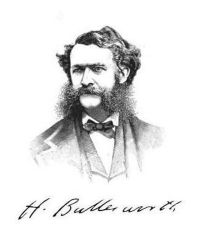
Frederic Leake Historic Bubbles

It was a priceless acquisition: every dictate of prudence, of policy, of patriotism demanded that it should be sacredly kept: it was immediately thrown away by an act of fatuity which was the climax of the bad reign of John-the-good. John issued a patent creating his beloved Philip Duke of Burgundy, and ceding the duchy to him and to his heirs forever. Thus was founded in the person of Philip-the-bold, the famous second House of Burgundy.
We left a page or two ago, Margaret of Flanders duchess dowager of Burgundy, widowed and childless.
Source: Gutenberg

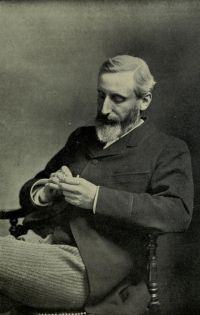
Portrait of François Guizot François Guizot A Popular History of France from the Earliest Times…

Everybody in France desired peace. Philip the Good himself began to feel the necessity of it. Burgundy was almost as discontented and troubled as Ile-de-France. There was grumbling at Dijon as there was conspiracy at Paris. The English gave fresh cause for national irritation. They showed an inclination to canton themselves in Normandy, and abandon the other French provinces to the hazards and sufferings of a desultory war. Anne of Burgundy, the Duke of Bedford’s wife and Philip the Good’s sister, died.
Source: Gutenberg

Get perspective with Kwize: daily news enlightened by great literature