Pool of Bethesda

Definition and stakes

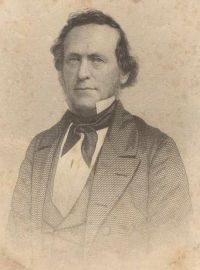
Portrait of Ermete Pierotti Ermete Pierotti,  Jerusalem Explored, Volume 1—Text

“ The Pilgrims' Pool, on the north, close to Herod's Gate, is too small to be worth further notice. The Pool at the head of the [Pg 15] Valley of Kidron, on the north, is filled with earth and stones. That of Birket-es-Sultan on the west cannot hold water, as it escapes by the south wall. The great Pool of Siloam is now filled with earth and converted into a garden. The Pool of Bethesda, within the walls, is almost choked with earth and refuse that has been thrown into it ”
Source: Gutenberg

Portrait of Ermete Pierotti Ermete Pierotti,  Jerusalem Explored, Volume 1—Text

“ A valley has already been mentioned as dividing Moriah from Bezetha; only the eastern extremity of this is now visible, at the Pool of Bethesda, at which place we will examine it. The north and south side walls of the pool are founded upon and rest against the rock, while on the east, as the valley once extended down to Kidron, a solid sloping wall has been built solely to confine the water. There is also a wall on the west, and all the observations that I have made in this direction, as far as the Tyropœon, have convinced me of the existence of a valley ”
Source: Gutenberg

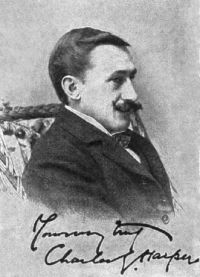
Portrait of Frank G. Carpenter Frank G. Carpenter,  The Holy Land and Syria

“ There are many caves outside of Jerusalem and people live in some of them. The tombs of the kings on the edge of the city have been cut out of the solid rock, and some of them are so large that a city house could be dropped into one and not touch the walls. An excavation of the Pool of Bethesda has shown that it is eighty feet deep and covers nearly an acre. Right under the temple platform are enormous caverns known as Solomon’s Stables, and near by there is a space honeycombed with vast tanks which will hold millions of gallons of water. ”
Source: Gutenberg

Get perspective with Kwize: daily news enlightened by great literature