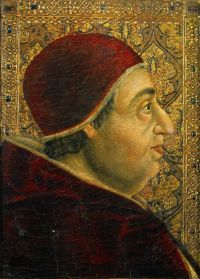
Pope Alexander III

Definition and stakes

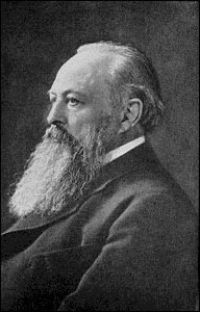
Portrait of Rafael Sabatini Rafael Sabatini,  The Life of Cesare Borgia

“ Under what obligation was Alexander VI, more than any other Pope, to pull it out of that slough? As he found it, so he carried it on, as much a self-seeker, as much a worldly prince, as much a family man and as little a churchman as any of those who had gone immediately before him.
By the outrageous discrepancy between the Papacy’s professed and actual aims it was fast becoming an object of execration, and it is Alexander’s misfortune that, coming when he did, he has remained as the type of his class.
The mighty of this world shall never want for detractors.
”
Source: Gutenberg

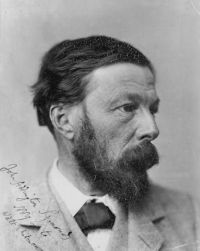
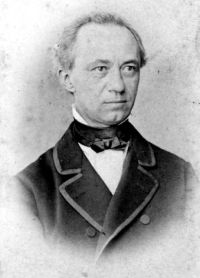
Portrait of Ferdinand Gregorovius Ferdinand Gregorovius,  Lucretia Borgia According to Original Documents and Correspondence of Her Day

“ It is not his passions or his crimes that are incomprehensible, for similar and even greater crimes have been committed by other princes both before and after him, but it is the fact that he committed them while he was Pope. How could Alexander VI reconcile his sensuality and his cruelty with the consciousness that he was the High Priest of the Church, God's representative on earth? There are abysses in the human soul to the depths of which no glance can penetrate. ”
Source: Gutenberg

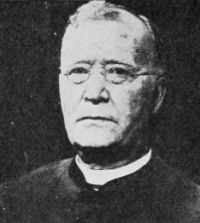
John Bertram Peterson,  Catholic Encyclopedia (1913)

“ Whether or not Alexander was a true pope is a question which canonists and historians of the Schism still discuss. The Church has not pronounced a definite opinion nor is it at all likely that she will. The Roman "Gerarchia Cattolica", not an authoritative work, which prior to 1906 contained a chronological list of the popes, designated Alexander V as the 211th pope, succeeding Gregory XII, resigned. ”
Source: Wikisource

Get perspective with Kwize: daily news enlightened by great literature