Pure Food and Drug Act

Definition and stakes

United States. Congress,  Pure Food and Drug Act of 1906 (1906 | noyear)

“ Be it enacted by the Senate and House of Representatives of the United States of America in Congress assembled, That it shall be unlawful for any person to manufacture within any Territory or the District of Columbia any article of food or drug which is adulterated or misbranded, within the meaning of this Act ”
Source: Wikisource

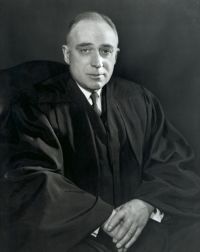
Portrait of John Marshall Harlan II John Marshall Harlan II,  Abbott Laboratories v. Gardner…

“ We fully recognize the important public interest served by assuring prompt and unimpeded administration of the Pure Food, Drug, and Cosmetic Act, but we do not find the Government's argument convincing. First, in this particular case, a pre-enforcement challenge by nearly all prescription drug manufacturers is calculated to speed enforcement. If the Government prevails, a large part of the industry is bound by the decree; if the Government loses, it can more quickly revise its regulation. ”
Source: Wikisource

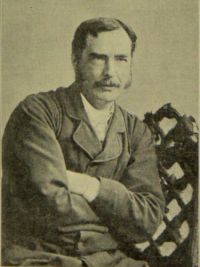
Susanna Cocroft,  Foods; nutrition and digestion (1912)

“ As a result of the findings of the governmental chemists, there was enacted in 1906, the Food and Drug Act, which aims to raise the standard of food purity, by prescribing the conditions under which foods may be manufactured and sold. The law compels the maker of artificially colored or preserved food products to correctly label his goods. The national law was the instigation of state laws, which have further helped to insure a supply of pure food products. ”
Source: Gutenberg

Get perspective with Kwize: daily news enlightened by great literature