Romaunt of the Rose

Definition and stakes

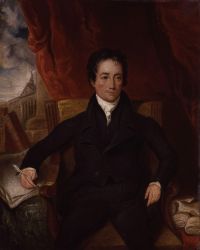
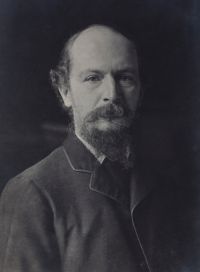
Portrait of William J. Long William J. Long English Literature

Some of his Canterbury Tales were written earlier than the English period, and were only grouped with the others in his final arrangement.
The best known, though not the best, poem of the first period is the Romaunt of the Rose, [83] a translation from the French Roman de la Rose, the most popular poem of the Middle Ages,--a graceful but exceedingly tiresome allegory of the whole course of love. The Rose growing in its mystic garden is typical of the lady Beauty. Gathering the Rose represents the lover's attempt to win his lady's favor
Source: Gutenberg

Mary Macleod The Shakespeare Story-Book

Or, if thou wilt not, only swear to love me, and I’ll no longer be a Capulet.”
“Shall I hear more, or shall I speak at this?” said Romeo to himself, enraptured at hearing such words.
“It is only thy name that is my enemy,” continued Juliet. “What’s ‘Montague’? It is not hand, nor foot, nor arm, nor face, nor any other part belonging to a man. O, be some other name! What’s in a name? That which we call a rose by any other name would smell as sweet.... Romeo, doff thy name, and for that name which is no part of thee, take all myself!”
Source: Gutenberg

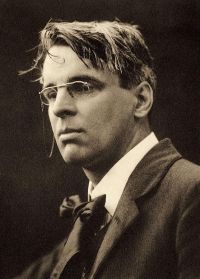
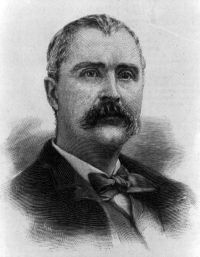
Portrait of Gilbert Parker Gilbert Parker The World for Sale, Volume 1

Until then, my daughter and I are as those who have no people. Begone! Nothing that is here belongs to you. Begone, and come no more!"
"I have come for my own—for my Romany 'chi', and I will not go without her. I am blood of the Blood, and she is mine."
"You have not seen her," said the old man craftily, and fighting hard against the wrath consuming him, though he liked the young man's spirit. "She has changed. She is no longer Romany."
"I have seen her, and her beauty is like the rose and the palm."
"When have you seen her since the day before the tent of Lemuel Fawe now seventeen years ago?"
Source: Gutenberg

Get perspective with Kwize: daily news enlightened by great literature