Selective Service Act

Definition and stakes

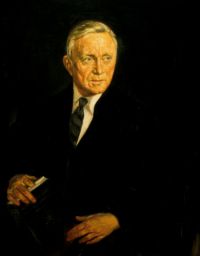
Portrait of William O. Douglas William O. Douglas,  Estep v. United States — Opinion of the Court

“ Congress entrusted the administration of the Selective Service System to civilian agencies, not to the military. It authorized the President to create and establish a Selective Service System and to establish civilian local boards and appeal boards to administer it. § 10 (a) (2) . The Selective Service System was designed to 'provide for the classification of registrants and of persons who volunteer for induction under this Act on the basis of availability for training and service.' Id. ”

Source: Wikisource

United States v. Nugent — Opinion of the Court

“ Certainly, this is an important and delicate responsibility, but we do not think the statute requires the Department to entertain an all-out collateral attack at the hearing on the testimony obtained in its prehearing investigation.
Respondents urge that they have a right to such a procedure under the Fifth Amendment. We cannot agree.
The Selective Service Act is a comprehensive statute designed to provide an marshal the available manpower of the country, to impose a common obligation of military service on all physically fit young men. It is a valid exercise of the war power.
”
Source: Wikisource

Portrait of William O. Douglas William O. Douglas,  Billings v. Truesdell — Opinion of the Court

“ Under the Selective Service Act of 1940 unlike that of 1917, a selectee is not subject to trial by a military court martial until he has been 'actually inducted' for training and service. But Congress did not define when he was so 'inducted'. It thus left to judicial construction when the civilian status ceased and the military status began. ”
Source: Wikisource

Get perspective with Kwize: daily news enlightened by great literature