Senate of the Roman Republic

Definition and stakes

J. N. Larned History for ready reference, Volume 4… (1895)

All the acts of the Roman Republic ran in the name of the Senate and People, as if the Senate were half the state, though its number seems still to have been limited to Three Hundred members. The Senate of Rome was perhaps the most remarkable assembly that the world has ever seen. Its members held their seats for life; once Senators always Senators, unless they were degraded for some dishonourable cause.
Source: Gutenberg

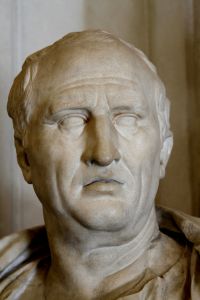
Portrait of Marcus Tullius Cicero Marcus Tullius Cicero Speech: To the Senate after his return… (57 BC)

For Caius Marius, the only man of consular dignity in the memory of man who was ever driven from the city in times of civil discord before me, was not only not restored by the senate, but by his return almost destroyed the senate. There was no unanimity of magistrates in their cases,—no summoning of the Roman people to come to the defence of the republic,—no commotion throughout Italy,—no decrees of municipalities and colonies in their favour.
Source: Wikisource

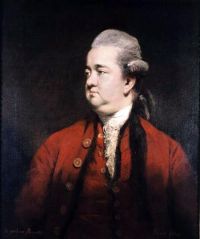
Arthur E. R. Boak A History of Rome to 565 A. D

Between 233 and 217 B. C., the popular leader Caius Flaminius, as tribune, consul and censor, was able to carry out a democratic policy at variance with the Senate’s wishes, but with his death the control of the Senate became firmer than ever. From what has been said it will readily be seen that the Senate’s power rested mainly upon custom and precedent and upon the [pg 107] prestige and influence of itself as a whole and its individual members, not upon powers guaranteed by law. The Roman republic never was a true democracy, but was strongly aristocratic in character.
Source: Gutenberg

Get perspective with Kwize: daily news enlightened by great literature