Süleymaniye Mosque

Definition and stakes

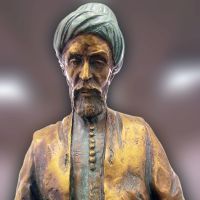
Edmondo De Amicis,  Constantinople, v. 2 (of 2)

“ The mosque of Muhammad is a white and radiant St. Sophia; that of Bayezid has the pre-eminence for elegance of outline; that of Osman is built entirely of marble; the Shazadeh mosque possesses the two most exquisite minarets in Stambul; that in the Ok Serai quarter is the most charming example of the renaissance of Turkish art. The Selimiyeh is the most severe, the mosque of Mahmûd the most elaborate, the Validéh Sultan the most ornate. Each one has some peculiar beauty of its own, or else a legend or special privilege attached to it. ”
Source: Gutenberg

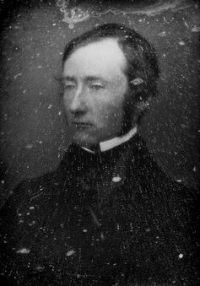
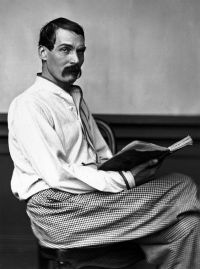
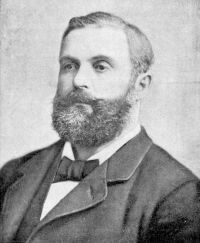
Portrait of Thomas Wallace Knox Thomas Wallace Knox,  The Story Teller of the Desert…

“ The mosques of Suleiman II., Ahmed I. and Mohammed the Conqueror, (by whom Constantinople was captured; in 1453,) are magnificent edifices, each; with a grand dome in the centre, and a smaller dome at each corner. The arrowy minarets rise around each mosque and add to the picturesque effect; their practical use is like that of a bell tower, as from the gallery near the summit the Muezzin chants the call for the people to come to prayer. No bells are allowed in the minarets, nor in fact in all Constantinople, as their sound is offensive to Moslem ears. ”
Source: Gutenberg

Portrait of Edith Wharton Edith Wharton,  In Morocco

“ Near the tower, the red-brown walls and huge piers of the mosque built at the same time stretch their roofless alignment beneath the sky. This mosque, before it was destroyed, must have been one of the finest monuments of Almohad architecture in Morocco: now, with its tumbled red masses of masonry and vast cisterns overhung by clumps of blue aloes, it still forms a ruin of Roman grandeur.
The Mosque, the Tower, the citadel of the Oudayas, and the mighty walls and towers of Chella, compose an architectural group as noble and complete as that of some mediæval Tuscan city.
”
Source: Gutenberg

Get perspective with Kwize: daily news enlightened by great literature