Tunbridge Wells

Definition and stakes

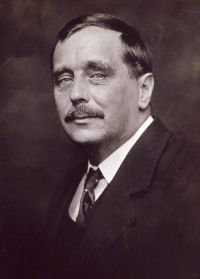
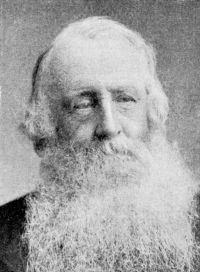
Portrait of Edwin Paxton Hood Edwin Paxton Hood Isaac Watts; his life and writings… (1875)

Tunbridge Wells is still the pleasant resort of those who seek the mild and quiet attractions of charming scenery, refreshing breezes, and crags and downs; but the romantic season of Tunbridge Wells is to be sought for about the period when Watts and his contemporaries were visitors there, scenes open to the fancy which it would be difficult to realize now amidst its splendid palatial residences
Source: Gutenberg

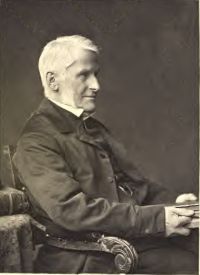
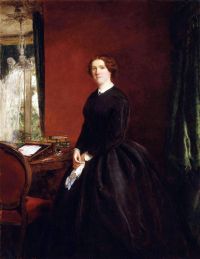
Portrait of Fanny Burney Fanny Burney The Diary and Letters of Madame D'Arblay…

Tunbridge Wells is a place that to me appeared very singular; the country is all rock, and every part of it is either up or down hill, scarce ten yards square being level ground in the whole place: the houses, too, are scattered about in a strange wild manner, and look as if they had been dropt where they stand by accident, for they form neither streets nor squares, but seem strewed promiscuously, except, indeed, where the shopkeepers live, who have got two or three dirty little lanes, much like dirty little lanes in other places.
Source: Gutenberg

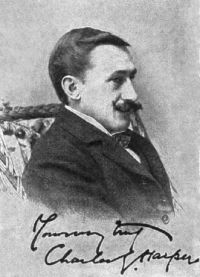
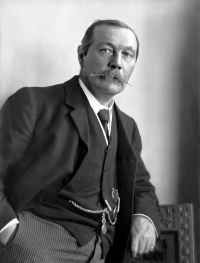
Portrait of Charles G. Harper Charles G. Harper The Hastings Road and the "Happy Springs of Tunbridge"

Socially, too, Tunbridge Wells of to-day is the antipodes of what it was. The traveller of old who “took the waters,” presently arriving “by the grace of God,” in his chariot, or by public coach, did no sooner come up from Tonbridge within sight of the Spa, than he was assailed by a swarm of touts who thrust their heads into the windows, eager to bespeak his custom:
Soon as they set eyes on you, off flies the hat:
Does your honour want this? does your honour want that?
To-day you enter from the railway-station, and the only people who take any interest in you are the cabmen.
Source: Gutenberg

Get perspective with Kwize: daily news enlightened by great literature