“ I, William J. Clinton, President of the United States of America, hereby order:Section 1. Implementation of the Act. All agencies are hereby directed to take all appropriate measures within their authority, including the promulgation of rules and regulations, to carry out the provisions of the Act. Sec. 2. Functions of the Department of State. The Secretary of State shall be responsible for implementing sections 1704, 1707, and 1708 of the Act. ”
United States Department of State
Definition and stakes
The United States Department of State, founded in 1789, serves as the federal executive agency tasked with foreign policy and international relations. As the nation’s primary diplomatic institution, it oversees treaties, overseas embassies, and global interactions, with its headquarters located in Washington, D.C.
Historical figures such as Joseph Story stressed its function in maintaining the constitutional division of powers, while Carl Russell Fish noted its role in sustaining U.S. influence on the world stage. Presidents have consistently emphasized its responsibility to convey national policies and protect citizens abroad, underscoring its lasting importance in defining America’s international presence and governance.
Quotes about “United States Department of State”
A Compilation of the Messages and Papers of the Presidents…
“ First. That the military commander of the department and all officers and persons in the military and naval service aid and assist the said provisional governor in carrying into effect this proclamation; and they are enjoined to abstain from in any way hindering, impeding, or discouraging the loyal people from the organization of a State government as herein authorized. Second. That the Secretary of State proceed to put in force all laws of the United States the administration whereof belongs to the State Department applicable to the geographical limits aforesaid. ”
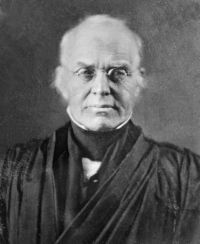 Joseph Story,
Commentaries on the Constitution of the United States
(1833)
Joseph Story,
Commentaries on the Constitution of the United States
(1833)
“ All America have at length concurred in the propriety of establishing a distinct executive department. The principle is embraced in every state constitution; and it seems now to be assumed among us, as a fundamental maxim of government, that the legislative, executive, and judicial departments ought to be separate, and the powers of one ought not to be exercised by either of the others. ”


Related terms
Authors who wrote about “United States Department of State”
Alexander Hamilton Jefferson Davis
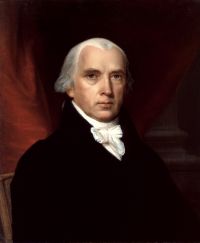 James Madison
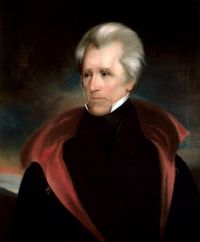 Andrew JacksonJonathan Elliot
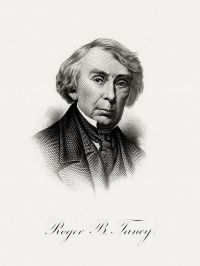 Roger B. TaneyUnited States. CongressAndrew JohnsonUnited States
 Morrison Waite
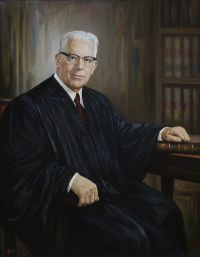 Earl Warren
 Grover Cleveland
 Thomas Jefferson
 Johann Gottlieb Fichte
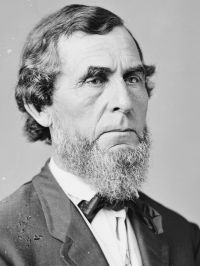 Columbus DelanoOliver Wendell Holmes, Jr.Caleb CushingJoseph Story
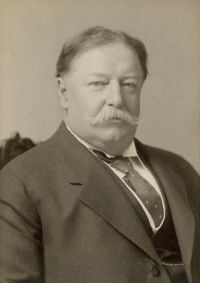 William Howard TaftPortal:United States Congress
Jefferson DavisJames MadisonAndrew JacksonJonathan ElliotRoger B. TaneyUnited States. CongressAndrew JohnsonUnited StatesMorrison WaiteEarl WarrenGrover ClevelandThomas JeffersonJohann Gottlieb FichteColumbus DelanoOliver Wendell Holmes, Jr.Caleb CushingJoseph StoryWilliam Howard TaftPortal:United States Congress