Venetian painting

Definition and stakes

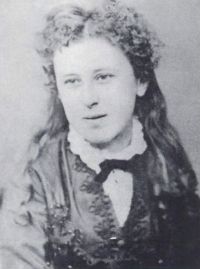
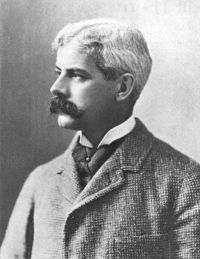
Portrait of Thomas Okey Thomas Okey,  Venice and Its Story

“ When Antonello da Messina, about 1473, brought the perfected Flemish method of painting in oils to Venice, Bartolomeo was not slow to adopt the new medium. Alvise Vivarini, his younger kinsman, made further use of Antonello’s innovation, and touched, moreover, by the spirit of the Bellini, the young painter, whose works cover the period between 1464-1502, begins to foreshadow the future glories of Venetian painting. The earnest, severe, almost harsh features become softened, a strange grace and gentleness comes like a breath of springtime and promise over the whole field of Venetian art. ”
Source: Gutenberg

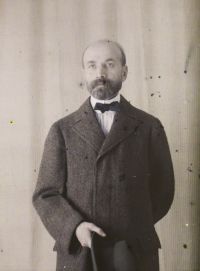
Portrait of Walter Pater Walter Pater,  The Renaissance: Studies in Art and Poetry

“ The beginnings of Venetian painting link themselves to the last, stiff, half-barbaric splendours of Byzantine decoration, and are but the introduction into the crust of marble and gold on the walls of the Duomo of Murano, or of Saint Mark's, of a little more of human expression. And throughout the course of its later development, always subordinate to architectural effect, the work of the Venetian school never escaped from the influence of its beginnings. ”
Source: Gutenberg

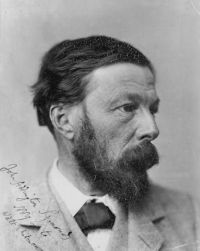
Frank Jewett Mather,  A history of Italian painting (1923)

“ You will not find poets, scholars, scientists a-plenty at Venice. Her painters have no tendency to be also architects, sculptors, mathematicians, theorists in æsthetics; they stick placidly to the main business of painting. And perhaps just because the Venetian painter refused to be diverted from the problems proper to his craft, his progress was so rapid and assured, and the Venetian school, simply as painting, the most beautiful school of painting the world has ever seen.
It was written in the lagoon itself that Venetian painting should be a school of color.
”
Source: Gutenberg

Get perspective with Kwize: daily news enlightened by great literature