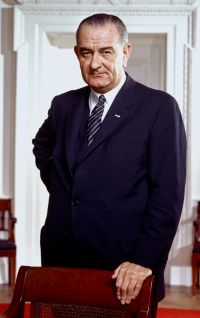
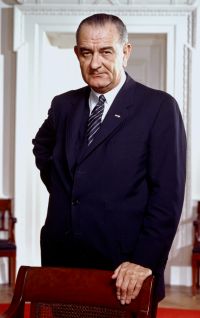
The Vietnam War (1955–1975) was a multifaceted armed conflict in Vietnam, Laos, and Cambodia, pitting North Vietnam (supported by the USSR and China) against South Vietnam (backed by the U.S. and anti-communist allies). This Cold War proxy war, framed as both a civil war and a national liberation movement, saw increasing U.S. involvement, ranging from military advisors to over 500,000 troops. Leaders such as Lyndon B.
Johnson stressed unwavering determination against communism, while Richard Nixon promoted "Vietnamization," transferring combat responsibilities to South Vietnamese forces. The Pentagon’s assessments criticized French colonial rule and underscored the importance of true independence, contrasting with Donald Trump’s later comments on the sacrifices of veterans. The war’s conclusion, marked by the fall of Saigon, transformed global geopolitics and left lasting impacts on military tactics and national identity.