Wolverhampton

Definition and stakes

Thomas Frost,  The Old Showmen and the Old London Fairs

“ On the eve of the “great fair” of Wolverhampton, held on the 9th of July, there was a procession of men in armour, preceded by musicians playing what was known as the “fair tune,” and followed by the steward of the deanery manor and the peace-officers [Pg 16] of the town. The custom is said to have originated with the fair, when Wolverhampton was as famous as a mart of the wool trade as it now is for its ironmongery, and merchants resorted to the fair, which formerly lasted fourteen days, from all parts of England. ”
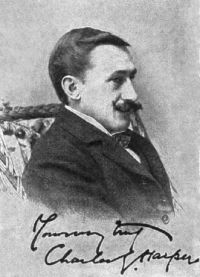
Source: Gutenberg

Katharine Lee Bates,  From Gretna Green to Land's End…

“ Directly south some fifteen miles is Wolverhampton, the capital of the iron-manufacturing district. We remembered that Stafford was the birthplace of Isaak Walton, but it was too late to gain access to the old Church of St. Mary's, which has his bust in marble and, to boot, the strangest font in England. We climbed the toilsome heights of Stafford Castle for the view it was too dark to see, and then once more delivered ourselves over to the champing monster, which spun us back to Shrewsbury through a weird, infernal world flaring with tongues of fire. ”
Source: Gutenberg

1911 Encyclopædia Britannica, Volume 28… (1911)

“ During the Great Rebellion the sympathies of Wolverhampton were royalist. In 1645 it was for a time the headquarters of Prince Rupert, while Charles I. lay at Bushbury to the north. At the end of the 17th century the market was esteemed the second market in the county. An account of Wolverhampton published in 1751 stated that the chief manufacture was locks, “here being the most ingenious locksmiths in England,” and attributed the slow growth of the town to the fact that most of the land was church property. Wolverhampton was incorporated in 1848 as a municipal borough. ”
Source: Wikisource

Get perspective with Kwize: daily news enlightened by great literature