Zoroastrians, adherents of the ancient Iranian prophet Zoroaster, are distinguished by their dualistic cosmology and ethical teachings centered on truth, purity, and the cosmic conflict between good and evil. Scholars such as F. Max Müller investigated their religious practices and connections to Vedic traditions, while George Rawlinson emphasized their moral framework, focusing on human responsibility and spiritual advancement.
Maneckji Nusservanji Dhalla explored the development of Zoroastrian liturgy, and Thomas Inman compared their devotion to abstract ideals with those of other religions. Voltaire’s fictional account, though imaginative, illustrates the religion’s historical impact. These viewpoints together highlight Zoroastrianism’s lasting influence on spiritual and ethical thought across various cultures.
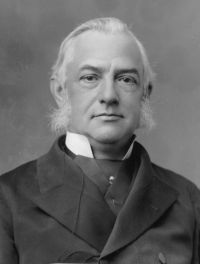 F. Max Müller,
Chips from a German Workshop, Volume 4
F. Max Müller,
Chips from a German Workshop, Volume 4