Absolute monarchy is a form of government in which the sovereign holds supreme, unrestrained authority, free from legal, legislative, or constitutional limitations. Historically, this system thrived in Europe during the 16th and 17th centuries, exemplified by rulers such as Louis XIV of France, who famously declared, "L'état, c'est moi." Writers like Thomas Gordon criticized its inherent despotism, contending that absolute monarchy often resulted in governance by "his creatures" rather than the ruler directly, while Thomas Hobbes described it as a system of "absolute sovereignty," wherein all authority stemmed from the monarch's will.
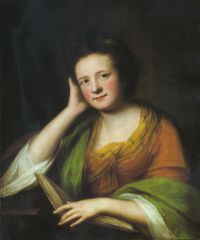
Frances Brooke, by contrast, contrasted it with democracy, proposing that the centralized power of absolute monarchy could prevent the disorder of popular rule. Although its influence waned after the French Revolution, the legacy of absolute monarchy continues to shape contemporary discussions, influencing ideologies from Legitimism to 20th-century nationalism, as its historical role in consolidating state power remains a crucial reference in political theory.