Aerial reconnaissance

Definition and stakes

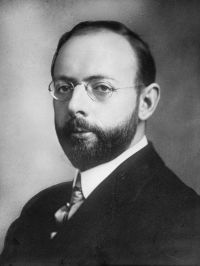
Frederick Arthur Ambrose Talbot Aeroplanes and Dirigibles of War

The airman engaged in strategical aerial reconnaissance must possess, above all things, what is known as a "military" eye concerning the country he traverses. He must form tolerably correct estimates of the forces beneath and their character. He must possess the ability to read a map rapidly as he moves through the air and to note upon it all information which is likely to be of service to the General Staff. The ability to prepare military sketches rapidly and intelligibly is a valuable attribute, and skill in aerial photography is a decidedly useful acquisition.
Source: Gutenberg

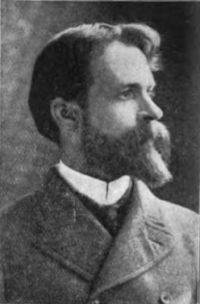
Portrait of Herbert Eugene Ives Herbert Eugene Ives Airplane Photography

To the side having command of the air the plans and activities of the enemy are an open book. It is true that more is heard of combats between planes than of the routine task 17of collecting information, and the public mind is more apt to be impressed by the fighting and bombing aspects of aerial warfare. Nevertheless, the fact remains that the chief use of the airplane in war is reconnaissance.
Source: Gutenberg

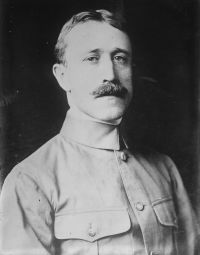
Portrait of Valentine Williams Valentine Williams With our army in Flanders (1915)

It takes the air easily, steadily, and clambers aloft round and round the aerodrome, then suddenly turns sharply aside and makes off towards the firing-line, twenty miles away.
Not a day passes that one does not see our aeroplanes bound for the front. How often have I stood in the fire-trench and watched one of these aerial reconnaissances—seen our airman, so high that he looked like a tiny moth in a vast domed hall, stealing out over the German lines! Again and again the enemy anti-aircraft guns drive him back, but each time he comes back and each time he sees a little more.
Source: Gutenberg

Get perspective with Kwize: daily news enlightened by great literature