Altitude sickness

Definition and stakes

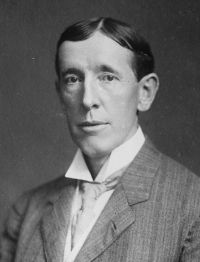
Enos A. Mills,  The Rocky Mountain Wonderland

“ Mountain-sickness, with its nausea, first comes to those who are bilious, or to those who are hurrying or exerting themselves more than usual. A slight stomach disorder invites this nausea, and on the heights those who have not [Pg 11] been careful of diet, or those who celebrated the climb the evening before it was made, are pretty certain to find out just how mountain-sickness afflicts. Altitude has, I think, but little to do with bringing on so-called mountain-sickness. It is almost identical with sea-sickness, and just as quickly forces the conclusion that life is not worth living! ”
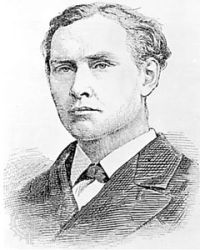
Source: Gutenberg

Marion Zimmer Bradley,  The Planet Savers

“ Most of the men had blinding headaches, Kyla's slashed side must have given her considerable pain, and Kendricks had succumbed to mountain-sickness in its most agonizing form: severe cramps and vomiting. I was desperately uneasy about all of them, but there was nothing I could do; the only cure for mountain-sickness is oxygen or a lower altitude, neither of which was practical. ”
Source: Gutenberg

Edmund Owen,  1911 Encyclopædia Britannica (1911)

“ Along with the increased breathing caused by deficiency of oxygen there is more or less blueness of the skin and abnormal effects of various kinds, such as partial loss of sensibility, memory and power of thinking. Long exposure often causes headache, nausea, sleeplessness, &c.—a train of symptoms known to mountaineers as “mountain sickness.” That the primary cause of “mountain sickness” is lack of oxygen owing to the low atmospheric pressure there is not the slightest doubt. ”
Source: Wikisource

Get perspective with Kwize: daily news enlightened by great literature