Animal traction

Definition and stakes

Louis Duncan,  1911 Encyclopædia Britannica (1911)

“ Animal Traction.—The oldest form of motive power is that of animals, those most commonly employed for draught purposes on ordinary roads being horses, mules, donkeys and oxen. On the continent of Europe dogs are often harnessed to light carts or barrows, but in England their use in this way was prohibited by the Cruelty to Animals Act of 1854. Camels and elephants are only rarely used as draught animals in special circumstances. ”
Source: Wikisource

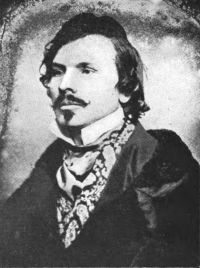
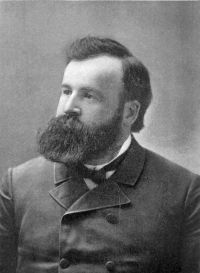
Portrait of W. Hamilton Gibson W. Hamilton Gibson,  Camp Life in the Woods and the Tricks of Trapping and Trap Making

“ Though nearly blind, and therefore incapable of following its prey by sight, it would be active beyond conception, springing this way and that way as it goes along, leaping with lightness and quickness upon any animal which it meets, rending it in pieces in a moment, thrusting its blood-thirsty snout into the body of its victim, eating the still warm and bleeding flesh, and instantly searching for fresh prey. ”
Source: Gutenberg

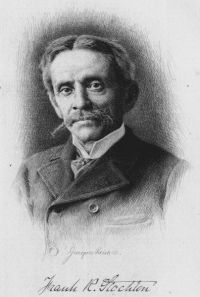
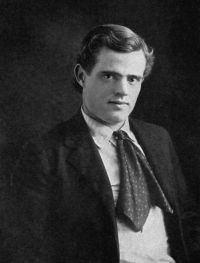
Portrait of Frank R. Stockton Frank R. Stockton,  Round-about Rambles in Lands of Fact and Fancy

“ When they have made a bound upon their prey and have missed it, they seldom chase the frightened animal. They are accustomed to make one spring on a deer or an ox, and to settle the matter there and then. So, after a failure to do this, they go to the place from which they have made the spring and practise the jump over and over until they feel that they can make it the next time they have a chance. ”
Source: Gutenberg

Get perspective with Kwize: daily news enlightened by great literature