Bee nest

Definition and stakes

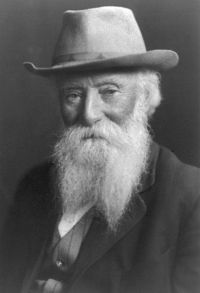
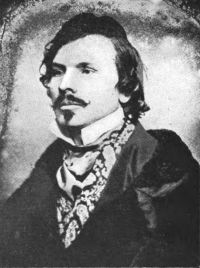
Portrait of Mayne Reid Mayne Reid,  The Young Yagers: A Narrative of Hunting Adventures in Southern Africa

“ They all knew of its curious habits; how it will guide a man to the nest of the wild bee, by fluttering before him from bush to bush and rock to rock until it reaches the spot; how it will wait until the hive has been robbed of its honey-treasure; and then alight by the despoiled nest to feed upon the larvae of the bees, or the fragments of honeycomb that may have been left! They all knew this of the honey-guide, because they had followed one before now, and proved the truth of this wonderful instinct, which has been doubted by many travellers as well as naturalists. ”
Source: Gutenberg

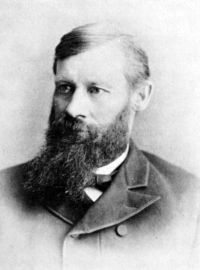
Tickner Edwardes,  The Bee-Master of Warrilow

“ We know that the wild bee generally chooses a situation for her nest which is neither cramped nor confined, but has in most cases ample space available for the future growth of the colony. Security from storm or flood seems to be the first consideration. The fact that the interior of a bee-nest is more or less in darkness appears to be mainly accidental. Bees have no particular liking for absolute darkness, nor, in fact, is any hive perfectly free from light. ”
Source: Gutenberg

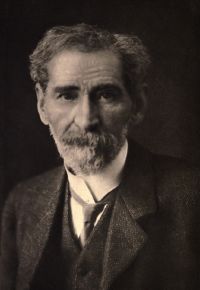
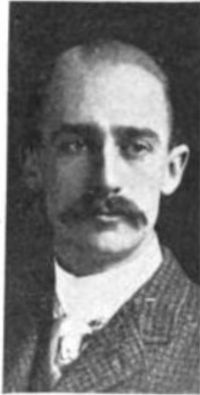
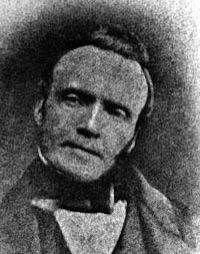
Portrait of James Duncan James Duncan,  The Naturalist's Library, Bees (1840)

“ Its deserted habitation has now the form of a truncated cone, and is made a receptacle for provisions. As her progeny gradually increases in numbers, the mother-bee relaxes in her labours; she leaves to them the lining of the walls and roof of the nest with a thin membrane of wax; and though she occasionally lends her aid in the construction of cells, it is only to give the finishing polish to what the workers have already "rough-hewn."
The inmates of an humble-bee nest are, as has been stated, of three classes: females, males, and workers. The old female, we have said, is alone in spring.
”
Source: Wikisource

Get perspective with Kwize: daily news enlightened by great literature