Bounty (tax)

Definition and stakes

Portrait of John Taylor of Caroline John Taylor of Caroline,  Tyranny Unmasked — Section II (1821)

“ As the proposed bounty to farmers could only be paid by some kind of tax, and the Committee assert that it would be wrong thus to encourage manufactures, it follows that it would be wrong also thus to encourage farmers. If a permanent bounty could not exist without its accomplice, a permanent tax, then the bounty promised to farmers, as resulting from building factories, distant as it is, must vanish the instant it arrives, or inflict on some interest the reprobated permanent tax. With the factories the case is very different. ”
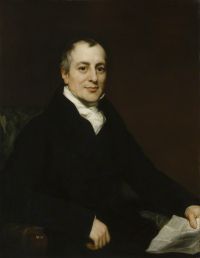
Source: Wikisource

Portrait of John Taylor of Caroline John Taylor of Caroline,  Tyranny Unmasked — Section II (1821)

“ A tax may be imposed for two objects; one to sustain a government, the other to enrich individuals. The idea of a bounty cannot be severed from the latter object, and the Committee labour against language and an indissoluble affinity, to prove that a tax not imposed for the use of government, but to encourage manufactures, does not imply a bounty. A feeble attempt, if such was the design, is made to find a subterfuge from conclusions so inevitable, by speaking of building factories with duties on foreign fabricks. ”
Source: Wikisource

Portrait of John Taylor of Caroline John Taylor of Caroline,  Tyranny Unmasked — Section II (1821)

“ A bounty to a class so numerous, must either be an intolerable tax upon the rest of the nation, if it is large enough to effect its object; or if the bounty is so small, as to be a light tax to the rest of the nation, it must be insufficient to have any influence upon a class so numerous. ”
Source: Wikisource

Get perspective with Kwize: daily news enlightened by great literature