Capitation tax

Definition and stakes

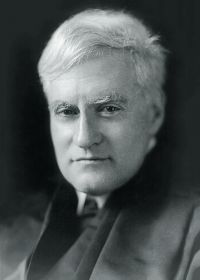
Jonathan Elliot,  Debates in the Several State Conventions on the Adoption of the Federal Constitution (1907)

“ Sir, a capitation is an oppressive species of tax. This may be laid by the general government. Where an equality in property exists, it is a just and good tax; it is a tax easy to assess, and on this account eligible; but, where a great disparity of fortune exists, as in this state, I insist upon it, that it is a most unjust, unequal, and ruinous tax. It is heaping all the support of the government upon the poor; it is making them beasts of burden to the rich ”
Source: Wikisource

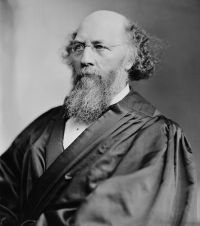
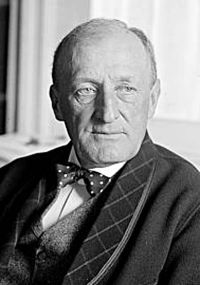
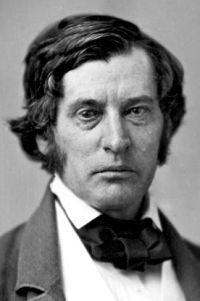
Portrait of Charles Sumner Charles Sumner,  Charles Sumner: his complete works…

“ But it is said that the Constitution prohibits a capitation tax, “unless in proportion to the census.” The tax I propose is not a capitation tax, any more than the tax on auctioneers, or lawyers, or jugglers, or peddlers, or slaughterers of cattle is a capitation tax. According to lexicographers, a capitation tax is a poll tax, a tax on each individual. Now this tax makes no pretension to be a poll tax, or a tax on each individual. It is a tax on a person who claims the service or labor of another for life, proportioned to the extent of his claim. ”
Source: Gutenberg

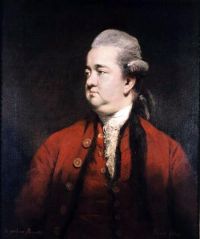
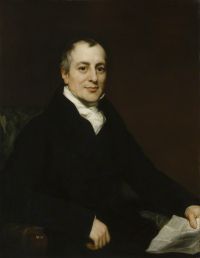
Portrait of Adam Smith Adam Smith,  The Wealth of Nations (1776)

“ In the capitation of the provinces, it is observed by the perfectly well informed author of the Memoirs upon the Impositions in France, the proportion which falls upon the nobility, and upon those whose privileges exempt them from the taille, is the least considerable. The largest falls upon those subject to the taille, who are assessed to the capitation at so much a-pound of what they pay to that other tax. Capitation taxes, so far as they are levied upon the lower ranks of people, are direct taxes upon the wages of labour, and are attended with all the inconveniencies of such taxes. ”
Source: Gutenberg

Get perspective with Kwize: daily news enlightened by great literature