Chemical energy

Definition and stakes

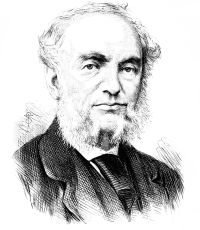
Portrait of S. Laing S. Laing,  A Modern Zoroastrian

“ Chemical energy, or the mutual attractions and repulsions of atoms, is even more powerful than that of molecules. It displays itself in their elective affinities, or what may be called the likes and dislikes, or loves and hatreds, of these ultimate particles. Perhaps the best illustration will be afforded by that ‘latest resource of civilisation,’ dynamite. This substance, or to give it its scientific name, nitro-glycerine, is composed of molecules each of which is a complex combination of nine atoms of oxygen, five of hydrogen, three of nitrogen, and three of carbon. ”
Source: Gutenberg

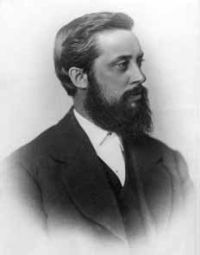
Thomas D. Cope,  Physics

“ As a tightly coiled watch spring may have much energy within it, which is set free on allowing the spring to uncoil, so the chemical energy is released on starting the chemical reaction. Gunpowder and dynamite are examples of substances containing chemical energy. On exploding these, heat, light, and motion are produced. Gasoline, kerosene, and illuminating gas are purchased because of the potential energy they contain. This energy is set free by burning or exploding them.
The source of the energy of our bodies is of course the food we eat. The energy contained in the food is also chemical.
”
Source: Gutenberg

Get perspective with Kwize: daily news enlightened by great literature