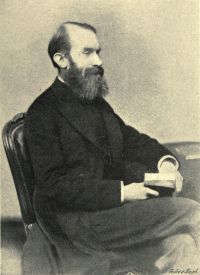
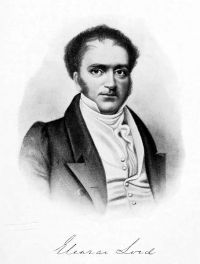
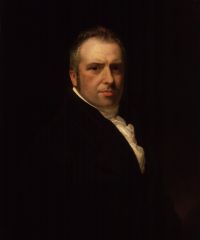
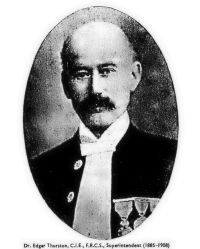
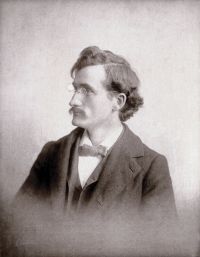
The cherub, a winged angelic figure central to Abrahamic traditions, represents divine protection and celestial grandeur, from guarding Eden to symbolizing God’s throne. Its composite form—lion, ox, eagle, and human—demonstrates symbolic depth, often interpreted as either literal or figurative. Scholars such as Charles Kingsley highlight its reverence for God, while Franz Delitzsch views it as a symbol of life’s ultimate fulfillment.
Augustus Strong connects cherubim to the sanctification of human nature, and Philo sees them as manifestations of divine love. Across writings, from Ezekiel’s visions to medieval art, cherubim serve as intermediaries between the physical and the spiritual, their changing depictions reflecting ongoing theological and artistic efforts to comprehend the incomprehensible.
 Charles Kingsley,
Town and Country Sermons
Charles Kingsley,
Town and Country Sermons