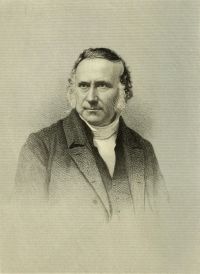
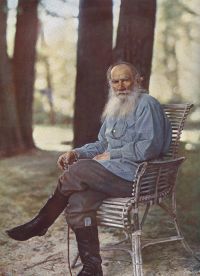
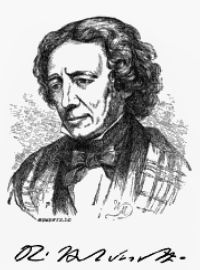
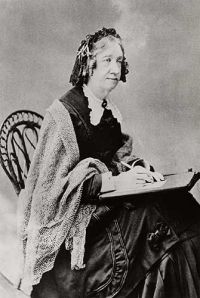
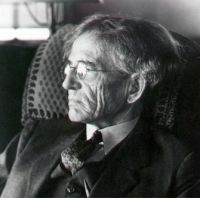
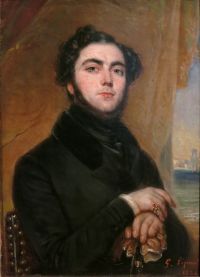
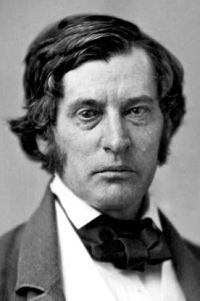
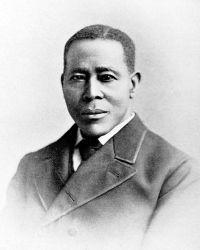
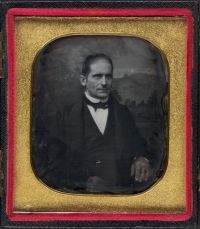
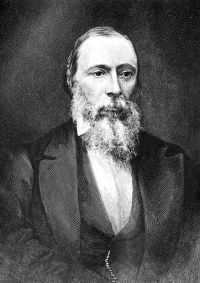
Civil unrest signifies collective disorder that challenges established authority, often mirroring societal tensions. This theme has been examined through various literary and historical perspectives, from Henry Fielding’s critique of mob violence to Leo Tolstoy’s examination of state-approved suppression. Writers such as Ichabod S.
Spencer and Catharine Esther Beecher wrestled with the ethical limits of defiance, while Ulysses S. Grant portrayed the turmoil of civil conflict as a driver for extreme actions. These works together highlight the dual nature of civil unrest—as both an indicator of systemic breakdown and a dangerous force able to undermine societies, demonstrating its lasting significance in stories of power and opposition.