Coal cellar

Definition and stakes

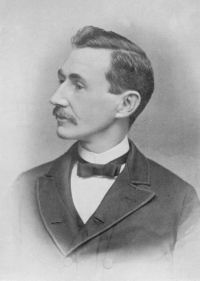
Portrait of Robert Benchley Robert Benchley,  Of All Things

“ I have seen coal fly from my shovel under such circumstances with such velocity as to land among the preserves at the other end of the cellar and in the opposite direction from which I was facing.
Now, this is obviously a waste of coal. It would be impossible to stoop all about the cellar picking up the vagrant pieces that had flown away, even if the blow of the shovel against the furnace had not temporarily paralyzed your hand and caused you to devote your entire attention to the coining of new and descriptive word pictures.
”
Source: Gutenberg

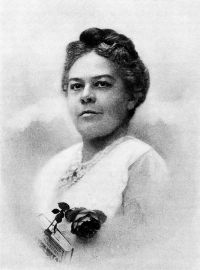
Portrait of Mrs. H. W. Beecher Mrs. H. W. Beecher,  Motherly talks with young housekeepers (1873)

“ It is best to commence with the cellar, and the first thing to be done, after seeing that the coal-bins are in order, is to have your coal for the year put in. It is usually as cheap, and often cheaper, in the spring than in the fall. The coal safely housed, have the furnace emptied and put in thorough repair. Remove all the ashes. If you have an ash-vault, or bin containing the ashes of the whole winter, you will require a man to do it; but if—which is much wiser—the ashes have been sifted and removed every day, it is no burden, and but a few minutes’ work. ”
Source: Gutenberg

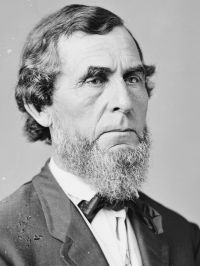
Portrait of William A. Williams William A. Williams,  The Evolution of Man Scientifically Disproved in 50 Arguments

“ Veins of coal, almost innumerable—the canned sunshine of past ages—, are placed near the earth’s surface, accessible for man, when needed for his use. Of no value whatever to any other species, because they can not make or replenish a fire. A colored preacher did not miss the mark, when he said, “God stored his coal in his great big cellar for the use of man.” The man who fills his own cellar with provisions for the winter exhibits no more foresight or design. ”
Source: Gutenberg

Get perspective with Kwize: daily news enlightened by great literature