Correspondence (philosophy)

Definition and stakes

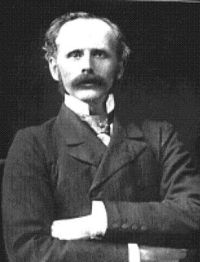
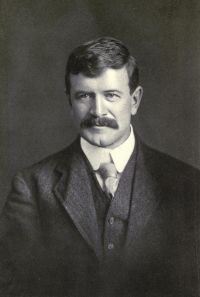
Portrait of James John Garth Wilkinson James John Garth Wilkinson,  Aesthetic Papers (1849)

“ No wonder that she excludes useless truths from her careful foundations; for her aim is progress, in contradistinction to the immobility of philosophy, and hence she takes no cognizance even of the truth itself, unless it be presently capable of application and enlargement. This is the reason why there is no science of correspondences; the doctrine of correspondence being an abstraction standing by itself, which gains from theology no life or impetus sufficient to make it circulate downwards, and take body and clothing among the things of this world. ”
Source: Wikisource

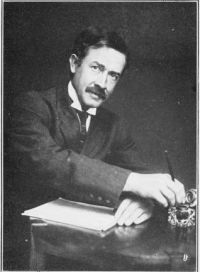
Portrait of Thomas Jefferson Thomas Jefferson,  Memoir, Correspondence, and Miscellanies…

“ And I am for encouraging the progress of science in all its branches: and not for raising a hue and cry against the sacred name of philosophy; for awing the human mind by stories of raw-head and bloody-bones to a distrust of its own vision, and to repose implicitly on that of others; to go backwards instead of forwards to look for improvement; to believe that government, religion, morality, and every other science were in the highest perfection in ages of the darkest ignorance, and that nothing can ever be devised more perfect than what was established by our forefathers. ”
Source: Gutenberg

Lewis Pyle Mercer,  Swedenborg's Doctrine of Correspondence (1889)

“ Learned, standing far ahead of his generation; exact, trained in mathematical accuracy and schooled to observation; practical, seeing at once some useful application of every new discovery; a man of affairs, able to take care of his own, and bear his part in the nation's councils; aspiring, ignoring no useful application, but content with no achievement short of a final philosophy of causes ”
Source: Wikisource

Get perspective with Kwize: daily news enlightened by great literature