Course (navigation)

Definition and stakes

Gershom Bradford,  The whys and wherefores of navigation (1918)

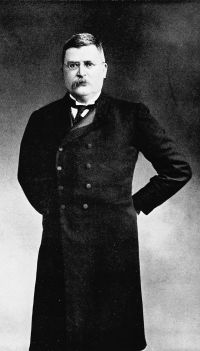
“ In practical navigation a vessel commences her voyage and [Pg 2] attempts to sail in a certain direction, but the well-known elements of compass error, variation and deviation, current, wind, seas and poor steering all divert the vessel from the projected course. In dead reckoning a navigator strives to keep track of his position by keeping a record of actual courses steered and distances run. ”
Source: Gutenberg

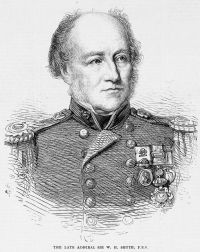
Portrait of W. H. Smyth W. H. Smyth,  The Sailor's Word-Book

“ PLANE-SAILING. That part of navigation which treats a ship's course as an angle, and the distance, difference of latitude, and easting or westing, as the sides of a right-angled triangle. The easting or westing is called departure. To convert this into difference of longitude, parallel, middle latitude, or Mercator's sailing is needed, depending on circumstances. Plane-sailing is so simple that it is colloquially used to express anything so easy that it is impossible to make a mistake. ”
Source: Gutenberg

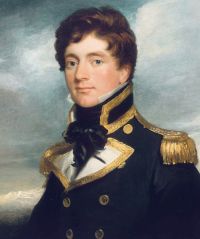
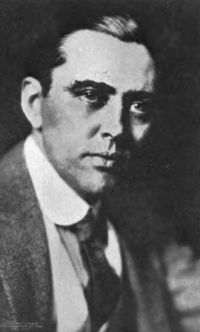
Portrait of Frederick William Beechey Frederick William Beechey,  Proceedings of the expedition to explore the northern coast of Africa… (1828)

“ As to the direction in their voyage, the first practitioners in the art of navigation, being unacquainted with the rest of the celestial motions, steered all the day by the course Exclusive course by the sun practised in early times.of the sun, betaking themselves at night to some safe harbour, or making fast their vessel to, and sleeping on, shore ”
Source: Gutenberg

Get perspective with Kwize: daily news enlightened by great literature