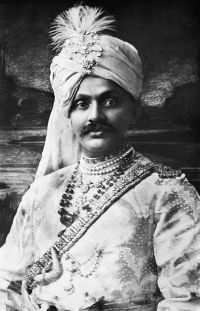
The concept of a "crease" refers to a fold, line, or mark created by pressure or bending, often acting as a boundary or structural component. In literary and artistic contexts, it manifests as both a physical and metaphorical feature. Joseph William Zaehnsdorf explores it in bookbinding, observing how folds define a book’s spine, while Ranjitsinhji Vibhaji II employs it in cricket, portraying the "crease" as a crucial, almost metaphysical, boundary between action and error.
Grant Allen connects folds to aesthetic development, proposing they link natural instinct with human craftsmanship. These diverse viewpoints highlight the fold as a liminal element—where form meets function, precision meets imperfection, and the tangible intersects with the symbolic.