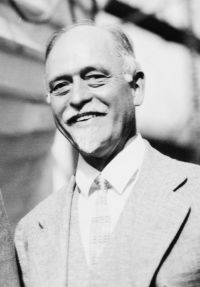
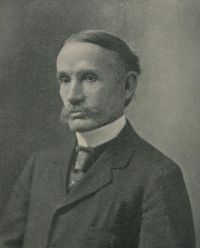
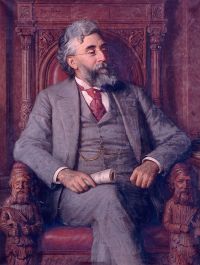
Economic development refers to processes and policies designed to improve economic well-being and the quality of life, distinguishing it from simple economic growth. Historically associated with industrialization and modernization, it has shifted to emphasize poverty reduction and sustainable advancement. Scholars such as Edward Webster Bemis focused on its dynamic relationship with societal transformation, while Scott Nearing connected it to the shift toward producer-oriented societies.
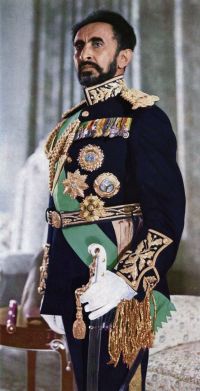
Haile Selassie emphasized the importance of enterprise, and Karl Marx highlighted the significance of structural economic relationships. Modern perspectives, ranging from neoliberalism to human development models, illustrate its complex character, seeking to balance growth, fairness, and institutional strength to ensure lasting progress.