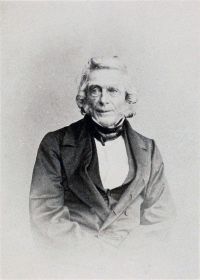
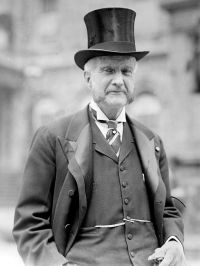
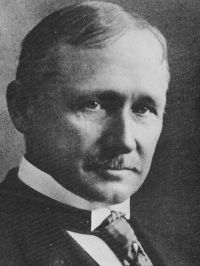
Economic prosperity denotes a state characterized by continued growth and widespread well-being. Scholars have long debated its complexities: Walter Renton Ingalls differentiated industrial activity from true prosperity, while Herbert Croly criticized the merging of productivity with fair distribution.
Leaders such as Lyndon Baines Johnson highlighted widespread progress, stressing record wages and national output, whereas Barack Obama described prosperity as a long-term objective grounded in equity and stability. These viewpoints highlight the conflict between economic growth and its social effects, illustrating prosperity as both a quantifiable reality and a disputed aspiration.