Equatorial mount

Definition and stakes

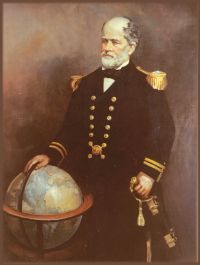
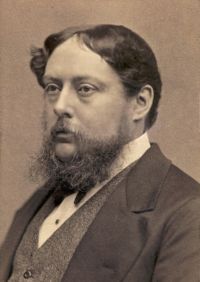
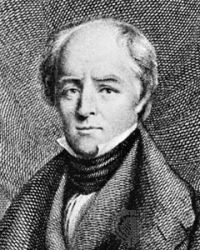
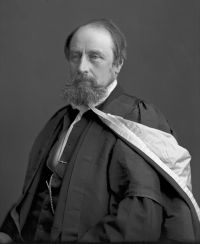
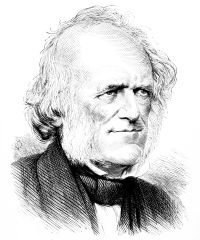
Portrait of Sir Charles Lyell Sir Charles Lyell,  Principles of Geology

“ When this circulation of ascending and descending currents has gone on for a certain time in high latitudes, the inferior parts of the sea are made to consist of colder or heavier fluid than the corresponding depths of the ocean between the tropics. If there be a free communication, if no chain of submarine mountains divide the polar from the equatorial basins, a horizontal movement will arise by the flowing of colder water from the poles to the equator, and there will then be a reflux of warmer superficial water from the equator to the poles. ”
Source: Gutenberg

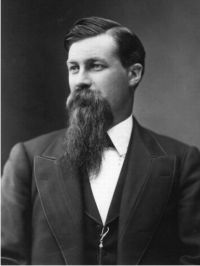
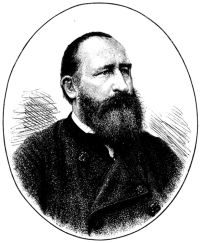
Portrait of James Geikie James Geikie,  Fragments of Earth Lore: Sketches & Addresses Geological and Geographical

“ Professor Suess, again, believing that in equatorial regions the sea is, on the whole, gaining on the land, while in other latitudes the reverse would appear to be the case, points out this is in harmony with his view of a periodical flux and reflux of the ocean between the equator and the poles. He thinks we have no evidence of any vertical elevation affecting wide areas, and that the only movements of elevation that take place are those by which mountains are upheaved. ”
Source: Gutenberg

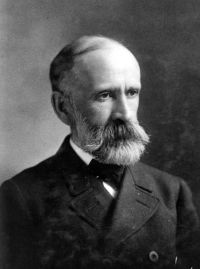
Portrait of Alfred Russel Wallace Alfred Russel Wallace,  Man's Place in the Universe

“ If with the same amount of land the continents had been so grouped as to occupy a considerable portion of the equatorial oceans—such as would have been the case had Africa been turned so as to join South America, and Asia been brought to the south-east so as to take the place of part of the equatorial Pacific, then the great ocean-currents could have been but feeble or have hardly existed. ”
Source: Gutenberg

Get perspective with Kwize: daily news enlightened by great literature