Equitable estoppel

Definition and stakes

A Selection of Cases on the Law of Torts (1893)

“ It is sometimes called equitable estoppel or a rule of equity, and has been expressed in some of the cases as the rule which compels a man to make good his representations of fact, in reliance on which the person to whom they have been made for the purpose of inducing him to act on them has so acted. Indeed equitable estoppel is the only way in which this doctrine of making good representations has survived the decision in Derry v. ”
Source: Gutenberg

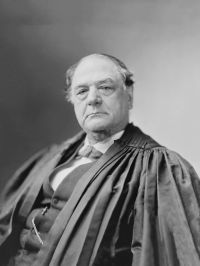
by John Marshall Harlan,  Kirk v. Hamilton — Opinion of the Court

“ The doctrine of equitable estoppel is, as its name indicates, chiefly, if not wholly, derived from courts of equity, and as these courts apply it to any species of property, there would seem no reason why its application should be restricted in courts of law. Protection against fraud is equally necessary, whatever may be the nature of the interest at stake ”
Source: Wikisource

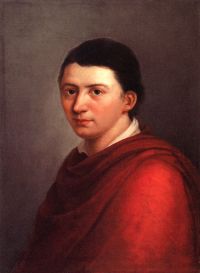
Portrait of Melville Fuller Melville Fuller,  Marrow v. Brinkley — Opinion of the Court

“ The reasons stated are based upon the equitable doctrine of estoppel in pais and innocent purchaser for value, without notice, the language of the opinion upon these points being as follows: (a) 'Having kept a sinister silence when they should have spoken with candor and courage, equity now closes her door, and leaves them to obtain from a court of law what they can.' (b) 'That as against an innocent purchaser for value, without notice, a court of equity is without jurisdiction, and will refuse to give any assistance whatever, leaving the party to enforce his technical rights at law. ”
Source: Wikisource

Get perspective with Kwize: daily news enlightened by great literature