Forage crop

Definition and stakes

The New International Encyclopædia…

“ The total, in 1900, for all grains cut green for use as forage was 1,506,000 acres, or considerably more than twice the amount of all other hay and forage crops. The acreage for hay and forage crops was 56.4 greater in 1900 than in 1890. The abundance of alfalfa and other food-plants of the bee has encouraged the keeping of bees, and honey is a considerable product. ”
Source: Wikisource

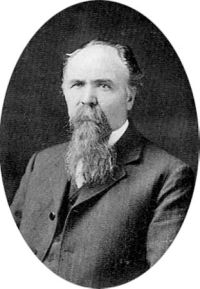
Portrait of Franklin Hiram King Franklin Hiram King,  Farmers of forty centuries (1911)

“ In growing such dry land crops as barley, beans, buckwheat or dry land rice the soil of the field is at first fitted by plowing or spading, then furrowed deeply where the rows are to be planted. Into these furrows fertilizer is placed and covered with a layer of earth upon which the seed is planted. When the crop is up, if a second fertilization is desired, a furrow may be made alongside each row, into which the fertilizer is sowed and then covered. ”
Source: Wikisource

Portrait of Henry Ward Beecher Henry Ward Beecher,  Pleasant Talk About Fruits, Flowers and Farming

“ But if the grain is removed, and nothing resupplies the drain of phosphates which it makes from the soil, the soil will in due time, according to the original quantities in the soil, cease to yield grain, although the straw may be admirable. But if both straw and kernel were every year burned upon the [Pg 150] field, as grass and its seed is upon the prairies, wheat would grow for a thousand years in succession. The same is true of corn, of potatoes, and of any annual crop. When the annual growth is restored to the soil, it is repossessed of all its treasure which had been loaned for a season. ”
Source: Gutenberg

Get perspective with Kwize: daily news enlightened by great literature