Legume

Definition and stakes

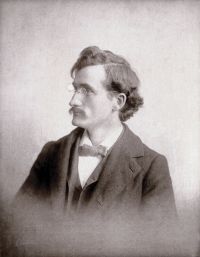
Portrait of L. H. Bailey L. H. Bailey,  Beginners' botany (1921)

“ Peas and beans are typical examples (Fig. 232) ; in fact, this character gives name to the pea family,—Leguminosæ. Often the valves of the legume twist forcibly and expel the seeds, throwing them some distance. The word “pod” is sometimes restricted to legumes, but it is better to use it generically for all dehiscent pericarps. ”

Source: Gutenberg

James Buckman,  Science and Practice in Farm Cultivation

“ The tribe of plants under review forms an exceedingly natural group, which has been named Papilionaceæ, from the fancied resemblance in the arrangement of its flowers to the form and varied colouring of butterflies: by others it is designated Leguminosæ from the two-valved seed-pod, which by the botanist is termed a legume,—most perfect examples of which are seen in the fruits of our more ordinary pea and bean. ”
Source: Gutenberg

Portrait of Grace Tabor Grace Tabor,  ../../ (1913)

“ But it is one of the very best methods that there is of treating a large tract of land; and when you grow up to be a farmer (?) , you will, of course, want to know about it! So I may as well tell you here. It is raising a crop of clover, soy-beans, cow-peas, or any kind of legume on it (a legume is a plant whose seeds are contained in a pod that splits open into two pieces, just as bean-pods or pea-pods do) , letting this crop grow to maturity, and blossom, and form its rich mealy seeds ”
Source: Wikisource

Get perspective with Kwize: daily news enlightened by great literature