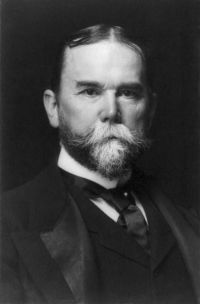
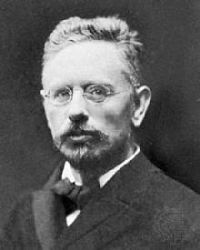
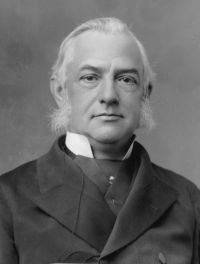
A foreign language, or second language (L2), is a non-native language acquired through deliberate study or immersion. Authors like Frederic Taber Cooper stressed the refined command of language beyond mere grammar, while Philip Gilbert Hamerton associated linguistic appreciation with cultural interest. John Aikin emphasized its practical importance for international communication, and Harold E.
Palmer analyzed the difficulties of attaining fluency. Emil Sutro pointed out the significance of native speakers in instruction, and James Joyce examined the conflict between learned and innate linguistic identities. These viewpoints illustrate the interaction of cognitive, cultural, and educational aspects in L2 learning, influencing both individual and academic development.