Loanword

Definition and stakes

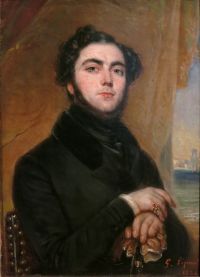
Portrait of Molière Molière,  The Miser. (L'Avare.) (1668)

“ Supposing that the lender is satisfied with all his securities, and that the borrower is of age and of a family whose property is ample, solid, secure, and free from all incumbrances, there shall be drawn up a good and correct bond before as honest a notary as it is possible to find, and who for this purpose shall be chosen by the lender, because he is the more concerned of the two that the bond should be rightly executed. ”
Source: Wikisource

Richard FitzNeal,  Select Historical Documents of the Middle Ages (1892)

“ Likewise if a debtor, from the time when he began to be bounden to the king, shall have rented his estate or revenue to another, or have given it as a pledge for money, or even—which, perhaps, will seem absurd to thee—have transferred his domain from himself by sale: if means can not otherwise be found to give satisfaction to the king, whoever the person be or by whatever title he may have gained possession,—nevertheless what belongs to the king shall be taken from him; saving the proprietorship of the lord who has commenced to possess it with a just title. ”
Source: Wikisource

active 1279 d'Orléans Laurent,  The Ayenbite of Inwyt (Remorse of Conscience…

“ But there is another lender, courteous, who lends without 29 bargain-making, always for profit, either in pence, or in horses, or in cups of gold or of silver, or robes, or tuns with wine, or in fat swine, material services of horses, of carts, or food, to them or to their children, or in other things, and everywhere for usury, when one takes it by reason of the loan. The second kind of usury is in those that lend not to their parson, but what their fathers and the fathers of their wives or their elders have obtained by usury they withhold, and will not give it up. ”
Source: Gutenberg

Get perspective with Kwize: daily news enlightened by great literature