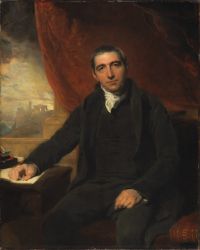
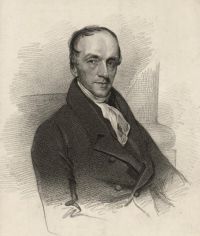
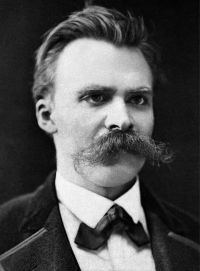
Foreknowledge, the idea of knowing future events prior to their occurrence, has long captivated philosophers and theologians, raising questions about divine omniscience, human freedom, and the essence of time. From Boethius’s examination of how divine foreknowledge can coexist with free will in The Consolation of Philosophy to Taylor’s claim that foreknowledge is “divine and supernatural,” the theme highlights the tensions between determinism and autonomy.
Mill connects foreknowledge with empirical understanding, while Hobbes rejects its causal influence, focusing instead on existence over knowledge. Bledsoe’s investigation into whether foreknowledge challenges free will illustrates the enduring philosophical discussion. These viewpoints, drawn from theology, epistemology, and metaphysics, together present foreknowledge as a central point of inquiry into both human existence and the cosmos.
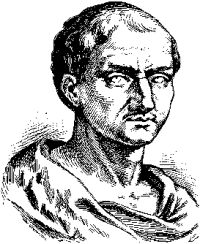
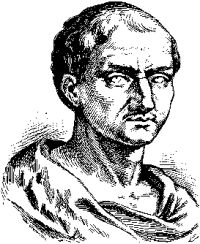 Anicius Manlius Severinus Boethius,
The Consolation of Philosophy
(1897)
Anicius Manlius Severinus Boethius,
The Consolation of Philosophy
(1897)