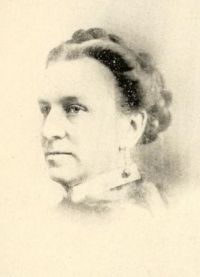
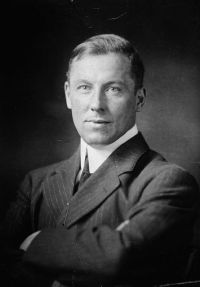
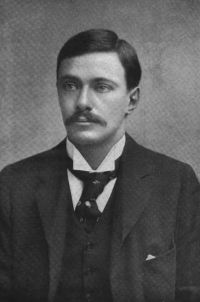
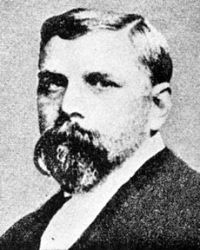
A frown, as a facial expression characterized by the furrowing of the brow, has long functioned as a powerful symbol of emotional complexity in literature. From Ella Wheeler Wilcox’s depiction of a frown as a world-altering force to Sir Richard Steele’s portrayal of it as a tool of romantic distress, writers have examined its duality—both a personal weight and a social cue.
Mary Ashley Townsend associates it with inner unease, while George A. Lawrence contrasts it with the calm of an unspoken mind. These differing viewpoints highlight the frown as a medium through which psychological depth and interpersonal relationships are reflected, emphasizing its role as a quiet yet impactful commentary on the human experience.
 Ella Wheeler Wilcox,
Poems of Passion — Individuality
(1883)
Ella Wheeler Wilcox,
Poems of Passion — Individuality
(1883)