“ The car shot into a morass of prairie gumbo—which is mud mixed with tar, fly-paper, fish glue, and well-chewed, chocolate-covered caramels. When cattle get into gumbo, the farmers send for the stump-dynamite and try blasting.It was her first really bad stretch of road. She was frightened. Then she was too appallingly busy to be frightened, or to be Miss Claire Boltwood, or to comfort her uneasy father. She had to drive. Her frail graceful arms put into it a vicious vigor that was genius. ”
Gumbo
Definition and stakes
Gumbo, a quintessential Louisiana stew, combines West African, French, Spanish, and Native American influences into a rich dish featuring stock, meat or shellfish, and the "holy trinity" of celery, bell peppers, and onions. Thickened with okra, filé powder, or roux, it embodies Creole and Cajun culinary traditions. Authors like Sinclair Lewis and Bertrand W.
Sinclair metaphorically evoke its sticky, treacherous terrain, while Eliza Leslie provides a 19th-century recipe. From culinary to metaphorical uses, gumbo represents cultural fusion and resilience, its name derived from African languages for okra or sassafras. This stew, both literal and symbolic, remains a testament to Louisiana’s diverse heritage.
Quotes about “gumbo”
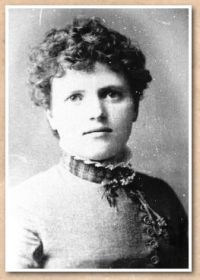 Bertrand W. Sinclair,
Raw Gold: A Novel
Bertrand W. Sinclair,
Raw Gold: A Novel
“ On the high benches it was not so bad for the springy, porous turf soaked up the excessive moisture and held its firmness tolerably well. But every bank of any steepness meant a helter-skelter slide to its foot, with either a bog-hole or swimming water when we got there, and getting up the opposite hill was like climbing a greased pole—except that there was no purse at the top to reward our perseverance. Between the succeeding tablelands lay gumbo flats where the saturated clay hung to the feet of our horses like so much glue, or opened under hoof-pressure and swallowed them to the knees. ”
Austin Bishop, Tom of the Raiders
“ When the wagon had passed, he walked to the Chattanooga road and crossed, plunging into the bushes on the other side. Once again he took his bearings, and hurried northward as quietly as he could. The branches whipped in his face; sometimes he stumbled and fell. Once he walked into a ditch half-filled with water, and sprawled on the slippery mud of the bank. Then he came to a field where his feet sank in the gumbo over his shoe-tops. His feet accumulated mud until he was obliged to stop and scrape it off with his hands. ”