Herb garden

Definition and stakes

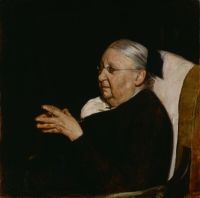
Eleanour Sinclair Rohde,  The Old English Herbals

“ The herb garden was always the special domain of the housewife, and one likes to think of the many generations of fair women who made these gardens their own, tending them with their own hands, rejoicing in their beauty and peace and interpreting in humble, human fashion something of the wonder and mystery of Nature in the loveliness of a garden enclosed. For surely this was the charm of these silent secluded places, so far removed from turmoil that from them it was possible to look at the world with clear eyes and a mind undisturbed by clamour. ”
Source: Gutenberg

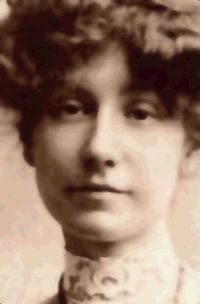
Portrait of Marjorie Bowen Marjorie Bowen,  The Seven Deadly Sins (Bowen)… (1913–14)

“ In the flower garden were roses, carnations, syringa, freesia, stocks, wallflowers, lilies in bloom, and jasmine, magnolia, gardenias, oleanders and myrtles still only covered with green; in the herb garden grew bushes of lavender as high as a man, tufts of sweet basil, thyme, pepper, mint, clove, citron, mustard, camomile, ginger, fennel and iris.
The fruit garden was shaded by fig and pear trees; beneath them grew currant and gooseberry bushes, orange and lemon trees, raspberry canes and strawberry beds.
There the novices were walking with Father Aloysius.
”
Source: Wikisource

Portrait of Alice Morse Earle Alice Morse Earle,  Old-Time Gardens, Newly Set Forth

“ Herb Garden at White Birches, Elmhurst, Illinois.
There are few persons who have a strong enough love of leaf scents, or interest in herbs, to make them willing to spend much time in working in an herb garden. The beauty and color of flowers would compensate them, but not the growth or scent [Pg 109] of leafage. It is impossible to describe to one who does not feel by instinct "the lure of green things growing," the curious stimulation, the sense of intoxication, of delight, brought by working among such green-growing, sweet-scented things.
”
Source: Gutenberg

Get perspective with Kwize: daily news enlightened by great literature