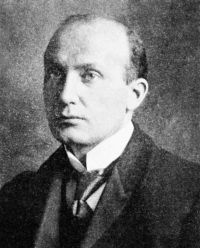
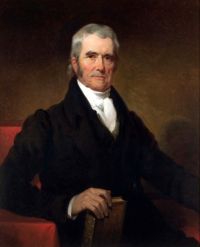
The hippocampus, a vital brain region within the limbic system, plays key roles in memory formation and spatial orientation. Historically, its structure and function have been examined by anatomists and researchers, such as Thomas Henry Huxley, who discussed its presence in humans compared to apes, and Mrs. Lanaghan, who described its shape as resembling a seahorse in her detailed account.
Frederick Gymer Parsons and Charles Scott Sherrington emphasized its evolutionary development in mammals, while research on rodents demonstrated its involvement in spatial memory through place cells. These diverse viewpoints highlight the hippocampus’s dual importance as both a biological entity and a central topic in neuroanatomical discussion, linking memory processes with historical debates on human distinctiveness.