Immunity (law)

Definition and stakes

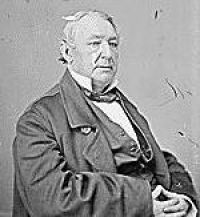
Portrait of Hugo Black Hugo Black,  Willingham v. Morgan — Concurrence

“ On this view, the test for removal should be broader, not narrower, than the test for official immunity. We agree.'
I see no necessity in this case for comparing the breadth of the law authorizing removal of cases from state to federal courts with the test 'for official immunity.' This case raises no question about official immunity from lawsuits for conduct of a government employee. Moreover, the difference between the breadth of a right to remove and a right to claim immunity is purely conceptual and cannot be measured by any means that I know about.
”

Source: Wikisource

Various,  Encyclopaedia Britannica, 11th Edition…

“ J. Fiske, The Destiny of Man, viewed in the Light of his Origin (1884) ; G. A. Gordon, Immortality and the New Theodicy (1897) ; Henry Buckle, The After Life (1907) .
(A. E. G.*)
IMMUNITY (from Lat. immunis, not subject to a munus or public service) , a general term for exemption from liability, principally used in the legal sense discussed below, but also in recent times in pathology (for which see Bacteriology) . In international law the term (“not serving,” “not subject”) implies exemption from the jurisdiction of the state which otherwise exercises jurisdiction where the immunity arises.
”
Source: Gutenberg

Byron White,  Berger v. New York — Dissent

“ A general immunity statute as proposed in chapter 5 on the courts is essential in organized crime investigations and prosecutions. There is evidence to indicate that the availability of immunity can overcome the wall of silence that so often defeats the efforts of law enforcement to obtain live witnesses in organized crime cases. ”
Source: Wikisource

Get perspective with Kwize: daily news enlightened by great literature